 By
By The Importance of Quality When Buying Accessories
In the fast-paced realm of consumer culture, accessories are often treated as secondary considerations or impulse buys. Whether shopping for personal fashion items like leather goods, jewelry, and watches, or technical gear such as phone cases, camera mounts, and automotive add-ons, the market is saturated with low-cost, mass-produced options. The temptation to buy cheap accessories is strong, especially when discount retailers offer trendy looks or functional promises for a fraction of the cost of premium alternatives.
However, opting for low-quality accessories frequently turns out to be a costly mistake. Accessories often play a vital structural, protective, or aesthetic role in supporting your primary belongings and overall personal presentation. Prioritizing superior craftsmanship, premium raw materials, and rigorous manufacturing standards when purchasing accessories pays long-term dividends in durability, safety, aesthetic appeal, and financial efficiency.
The True Cost of Cheap Accessories
At first glance, a cheap accessory seems like a smart way to save money. However, analyzing the long-term economics of ultra-low-cost products reveals hidden expenses that quickly erase initial savings.
The Cost-Per-Wear and Replacement Cycle
Low-cost accessories rely on cheap materials and hasty assembly methods, leading to rapid wear and structural failure. A low-grade faux leather belt may crack within two months, while a cheap phone case can snap during a minor drop.
-
The Replacement Trap: Replacing a cheap fifteen-dollar item three or four times a year ends up costing significantly more than investing in a single sixty-dollar, high-quality product that lasts for years.
-
Cost-Per-Use Ratio: Quality accessories offer a vastly superior cost-per-use or cost-per-wear ratio over time. A premium leather bag that costs several hundred dollars but remains functional for a decade ultimately costs pennies per day.
Risk to Primary Investments
Accessories rarely exist in a vacuum; they interact directly with expensive primary equipment. Using a low-quality accessory can put high-value possessions at severe risk.
-
Electronic Damage: Uncertified charging cables and off-brand power adapters can deliver inconsistent voltage, frying the delicate battery systems of expensive smartphones and laptops.
-
Mechanical Failure: A low-grade camera strap or cheap tripod mounting plate can fail without warning, dropping thousands of dollars worth of camera gear onto hard concrete.
-
Physical Wear: Poorly finished metal buckles, abrasive purse straps, or ill-fitting watch bands can scratch, scuff, or stain high-end clothing and personal electronics.
Core Characteristics of High-Quality Accessories
Recognizing quality requires looking beyond brand logos and glossy advertising. Premium accessories share distinct physical characteristics that signal superior durability and design integrity.
Exceptional Raw Materials
The foundation of any great accessory is the quality of its raw materials. Manufacturers committed to high standards do not compromise on sourcing.
-
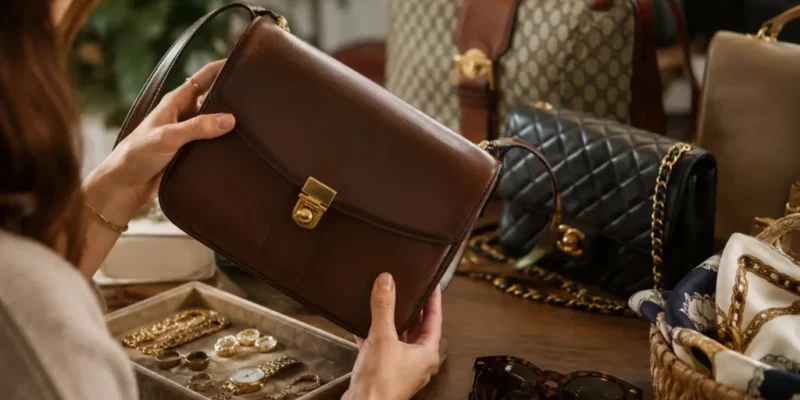
Leather Goods: Superior products utilize full-grain or top-grain leather, which retains natural strength and develops a rich patina over time. Low-grade options use bonded leather or cheap polyurethane coatings that peel and flake.
-
Metals and Hardware: High-quality metal hardware features solid brass, stainless steel, or titanium, often plated with durable finishes. Cheap accessories rely on lightweight zinc alloys that tarnish, corrode, or snap under mild torque.
-
Textiles and Fabrics: Premium soft goods employ high-density canvas, ballistic nylon, pure silk, or heavy-duty stitching threads that resist fraying, tearing, and UV degradation.
Precision Construction and Finishing
Quality craftsmanship is evident in the fine details of assembly. Examining seams, joints, and closures provides clear evidence of a product’s build standard.
-
Reinforced Stitching: High-quality bags, belts, and wallets feature tight, even stitching with reinforced bar-tacks at high-stress points.
-
Smooth Hardware Operation: Premium zippers, clasps, and buckles operate fluidly without sticking, catching, or feeling loose. Brands using trusted hardware manufacturers ensure long-lasting utility.
-
Edge Finishing: On leather and textile goods, hand-painted or burnished edges protect raw fibers from moisture infiltration and unraveling, extending structural life.
Environmental and Ethical Advantages of Buying Quality
In an era dominated by fast fashion and disposable consumer goods, prioritizing quality accessories aligns directly with environmental sustainability and ethical consumerism.
Reducing Landfill Waste
Cheap, mass-produced accessories are major contributors to global landfill accumulation. Because these items are made from mixed synthetic materials, cheap plastics, and low-grade adhesives, they are nearly impossible to recycle. Investing in durable accessories reduces consumption rates, keeping broken plastic and synthetic trash out of ecosystems.
Ethical Labor Standards
Ultra-cheap accessories are typically manufactured in facilities with poor labor oversight, where workers endure low wages and unsafe working conditions. Reputable brands that produce high-quality accessories usually invest in fair wages, safe factory environments, and ethical supply chains to maintain precise production standards.
Enhancing Style, Professionalism, and Functional Reliability
Beyond financial and environmental factors, quality accessories play an important role in personal presentation and daily operational efficiency.
Elevating Personal Presentation
Accessories are often the subtle details that complete a professional outfit or personal look. High-quality items exude subtle elegance, structural integrity, and attention to detail. A finely crafted watch, a rich leather briefcase, or well-made eyewear subtly communicates professional attention to detail far better than cheap imitations.
Uncompromising Functional Performance
When an accessory serves a functional purpose, reliability is non-negotiable. Whether it is a heavy-duty carabiner for outdoor recreation, a protective travel case for delicate instruments, or ergonomic laptop accessories for long workdays, superior engineering ensures that the accessory performs perfectly when you need it most.
How to Inspect and Verify Quality Before Purchasing
Becoming a discerning shopper requires practicing a few simple inspection habits before making a purchase.
-
Inspect the Hardware: Test zippers, snaps, and latches multiple times. Look for solid weight and smooth mechanical movement.
-
Examine the Seams: Pull gently on stitched seams to ensure there is no visible gapping or loose, thread-ends.
-
Feel the Weight and Texture: High-quality metals and natural materials carry substantial weight and offer a solid, consistent texture rather than a light, hollow plastic feel.
-
Evaluate the Warranty: Brands confident in their manufacturing quality usually back their accessories with multi-year or lifetime repair and replacement warranties.
Frequently Asked Questions
Why are high-quality leather accessories so much more expensive than synthetic options?
High-quality leather accessories use full-grain or top-grain hides, which require costly, time-intensive tanning and conditioning processes. Additionally, genuine leather requires skilled artisans for cutting, stitching, and edge-finishing, whereas synthetic materials like polyurethane are mass-produced rapidly using automated machinery.
How can I tell if a metal watch strap or jewelry piece is high quality?
High-quality metal pieces feature solid links rather than hollow stamped metal, carry a noticeable weight, and utilize sturdy locking mechanisms. Look for materials like surgical-grade 316L stainless steel, solid brass, or solid gold, which resist corrosion, skin irritation, and surface tarnishing.
Does buying expensive designer accessories guarantee superior material quality?
Not always. While many high-end luxury brands use exceptional materials and traditional craftsmanship, some luxury price tags reflect brand prestige and marketing budgets rather than raw material superiority. Always inspect physical construction, hardware quality, and stitching independent of the brand logo.
What are the signs of a high-quality electronic accessory like a phone case or cable?
Quality electronic accessories carry safety certifications like MFi (Made for iPhone) or USB-IF compliance, ensuring stable voltage delivery. High-quality cables feature braided nylon jackets, strain-relief collars at connection points, and reinforced aluminum housings rather than thin, unreinforced rubber tubing.
How does proper maintenance impact the lifespan of quality accessories?
Even the highest quality accessories require basic care to last a lifetime. Conditioning leather regularly prevents drying and cracking, cleaning metal hardware stops tarnish, and storing items in protective dust bags shields them from UV damage and moisture, maximizing your initial investment.
Are eco-friendly or recycled accessories durable enough for long-term use?
Yes, modern manufacturing advances allow recycled metals, ocean plastics, and high-density recycled polyesters to meet or exceed the durability of virgin raw materials. When produced by reputable manufacturers focused on structural integrity, recycled accessories offer exceptional longevity while minimizing environmental impact.
How do I balance buying quality accessories while staying on a reasonable budget?
Focus on buying versatile, timeless baseline accessories that you use daily, such as a sturdy everyday bag, a durable belt, or a reliable protective phone case. Allocate a higher budget to these high-use items while avoiding impulse purchases on short-lived, low-quality fashion trends.