
 By
By How Outlet Stores Adapt to Changing Consumer Preferences
The retail sector has experienced unprecedented shifts over the past two decades. Fueled by rapid technological advancements, evolving demographics, and changing economic pressures, modern shoppers demand far more than basic price markdowns. For generations, outlet centers relied on a simple formula: offering factory seconds, overstock inventory, and end-of-season merchandise in stripped-down, outdoor strip malls far removed from suburban city centers.
Today, that traditional discount model is no longer sufficient. Modern consumers demand seamless digital integration, high-end shopping environments, sustainable business practices, and unique experiential offerings. To remain competitive against online marketplaces and fast-fashion platforms, physical outlet stores have fundamentally transformed their business models, store formats, and marketing strategies.
Shifting from Simple Bargains to Value-Driven Experiences
The modern consumer definition of value has evolved. Price discounts remain important, but shoppers no longer want to compromise on product quality, store ambiance, or customer service. The modern outlet shopper treats a day of shopping as a curated leisure activity rather than a simple discount hunt.
Elevated Store Architecture and Aesthetics
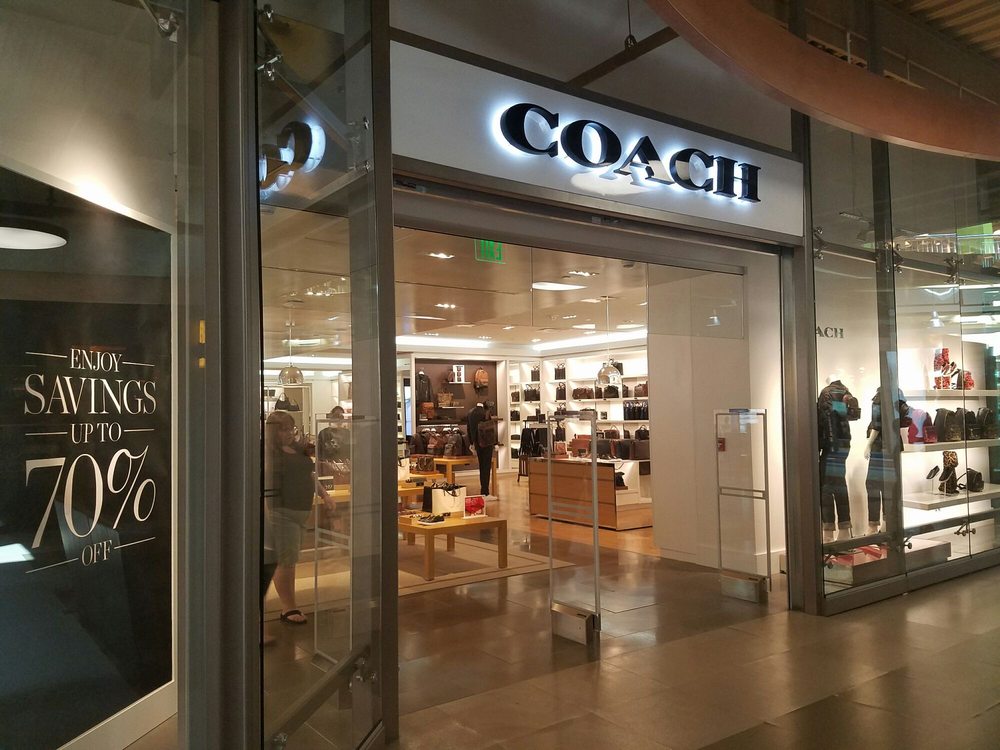
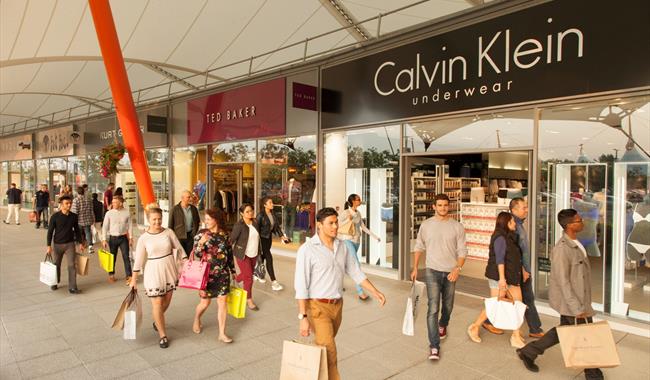
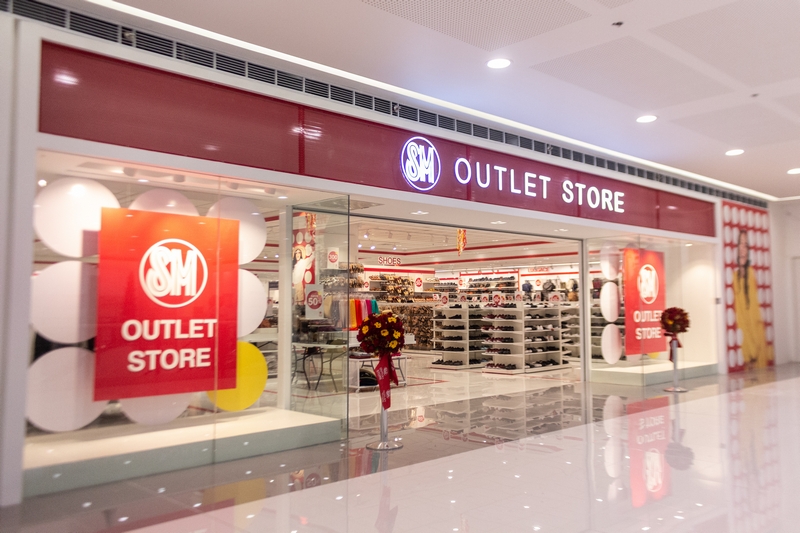
Gone are the days of fluorescent-lit, crowded warehouses with disorganized clothing racks. Contemporary outlet centers mirror the sleek, inviting aesthetics of full-price flagship boutiques. Real estate developers and brand managers invest heavily in modern architectural designs, open-air pedestrian plazas, landscaped green spaces, and high-end fitting rooms. Elevating the physical setting changes consumer perception, making discount shopping feel like a premium experience rather than a compromise.
The Rise of Experiential Retail
To compete with the convenience of e-commerce, outlet centers must give shoppers a compelling reason to leave their homes and travel to physical locations. Outlet malls are increasingly transforming into multi-purpose lifestyle destinations. Developers integrate upscale sit-down dining options, artisanal coffee shops, outdoor fire pits, children’s play zones, live entertainment venues, and seasonal pop-up events. By increasing dwell time, outlet centers encourage consumers to visit more stores and spend more money overall.
Digital Transformation and Omnichannel Integration
The boundary between online shopping and physical retail has blurred. Outlet stores have embraced omnichannel strategies to cater to digitally savvy consumers who expect convenience, speed, and real-time product visibility.
Buy Online, Pick Up in Store and Local Shipments
Outlet retailers have connected their digital e-commerce inventory with physical store locations. Customers can browse discounted outlet inventory online, reserve or purchase items through a mobile app, and pick up their orders at a nearby physical location. Additionally, physical outlet stores frequently serve as regional fulfillment hubs, shipping online clearance orders directly to nearby customers to reduce delivery times and logistical costs.
Geofencing and Mobile App Interactivity
Modern outlet centers leverage location-based technology to engage shoppers directly on their smartphones. Upon entering an outlet mall, consumers can receive targeted push notifications through brand apps or center-wide loyalty platforms. These notifications deliver personalized digital coupons, interactive store maps, and real-time flash sale alerts tailored to the shopper’s physical location and past purchase history.
Evolving Inventory Strategies: Made-for-Outlet Lines
Historically, outlet stores depended entirely on clearance items, excess inventory, and returned products from full-price retail locations. However, as the number of outlet centers grew globally, traditional overstock supply proved insufficient to fill massive retail floor spaces year-round.
To satisfy consumer demand for consistent sizing, diverse styles, and complete product lines, major fashion and footwear brands introduced dedicated made-for-outlet merchandise.
-
Consistent Supply Chains: Manufacturing items specifically for outlet channels ensures stores maintain steady inventory levels, complete size runs, and popular color palettes, avoiding sparse shelves during high-volume shopping seasons.
-
Targeted Value Engineering: Brands collaborate with manufacturers to modify design details—such as using alternative fabrics, simplifying hardware, or streamlining stitching—allowing them to sell stylish, high-quality products at lower price points while preserving healthy profit margins.
-
Exclusive Product Drops: To appeal to younger, trend-conscious buyers, brands frequently launch exclusive collections available only at outlet locations, creating a sense of urgency and brand exclusivity.
Aligning with Conscious Consumerism and Sustainability
Environmental awareness and ethical consumption have become primary purchasing factors, particularly among Gen Z and Millennial demographics. Modern consumers increasingly hold brands accountable for textile waste and carbon footprints.
Outlet stores are uniquely positioned to leverage sustainable retail narratives. By framing outlet shopping as a form of circular economy where excess inventory is rescued from landfills, brands connect with eco-conscious consumers.
-
In-Store Repair and Resale Hubs: Leading outdoor and apparel brands have introduced recycling, repair, and pre-owned gear sections inside their outlet locations. Customers can bring in used items for store credit or purchase professionally refurbished products at steep discounts.
-
Sustainable Building Practices: Newer outlet developments prioritize LEED-certified construction, solar panel installations, rainwater harvesting systems, and electric vehicle charging stations, aligning center operations with consumer environmental values.
Adapting to Changing Demographic Expectations
As consumer demographics shift, outlet stores must cater to changing lifestyle preferences across different generational cohorts. Younger shoppers value digital ease, authenticity, and trend agility, while older demographics prioritize comfort, clear pricing, and customer service.
Catering to Digital Natives
Gen Z and Millennial buyers rely heavily on social media platforms for fashion inspiration. Outlet stores adapt by creating shareable, visually engaging moments within physical spaces, including neon signage, interactive mirrors, and photo opportunities. Furthermore, brands utilize micro-influencers to showcase outlet hauls, reframing discount shopping as a smart, fashionable lifestyle choice.
Tourist and Destination Marketing
Outlet centers continue to serve as major destinations for international and domestic tourists. Retail operators partner with tour companies, hotel chains, and travel agencies to offer exclusive shopping packages, multi-language concierge services, luggage storage, and currency exchange services to accommodate high-spending travel groups.
Frequently Asked Questions
Why do outlet stores sell items manufactured specifically for them instead of just overstock?
As the number of outlet malls expanded, brands did not generate enough overstock or clearance items to keep store shelves full year-round. Producing dedicated made-for-outlet lines ensures consistent inventory, complete size availability, and steady sales volume while keeping price points attractive to shoppers.
How do modern outlet stores maintain brand prestige while offering deep discounts?
Brands protect their luxury image by placing outlet centers in geographically strategic locations away from primary full-price flagship districts. Additionally, elevating outlet store architecture, maintaining high customer service standards, and framing discounts around smart value prevents the brand from appearing cheap.
What is the difference between an outlet store and a traditional off-price retailer?
An outlet store is directly owned and operated by a single brand, featuring only that brand’s merchandise, curated inventory, and specific store environment. Off-price retailers operate as independent third-party stores that buy bulk overstock from hundreds of different brands and sell them together under one roof.
How are online outlet channels impacting physical outlet stores?
Online outlet portals provide convenience for consumers who prefer remote shopping. However, physical outlet stores continue to thrive by offering hands-on product interaction, immediate gratification, social shopping experiences, and lifestyle amenities that digital websites cannot replicate.
Can consumers find current-season merchandise at outlet stores?
While the majority of outlet inventory consists of dedicated lines, past-season items, or excess stock, many brands do ship late-arriving current-season merchandise or overproduced current styles to their outlet stores to clear warehouse space quickly.
How do loyalty programs work across full-price and outlet brand locations?
Most major retail brands now utilize unified omnichannel loyalty programs. Points earned on purchases at full-price stores or online can be redeemed at outlet physical stores, and vice versa, creating a seamless reward experience for loyal customers across all brand touchpoints.
Do outlet stores accept returns for items bought at full-price retail locations?
Return policies vary by brand. Many major retailers allow cross-channel returns, accepting items bought at full-price stores or online at their outlet locations. However, some brands keep their outlet financial accounting separate and require items to be returned through their original purchasing channel.