 By
By The Importance of Brand Partnerships in Outlet Store Success
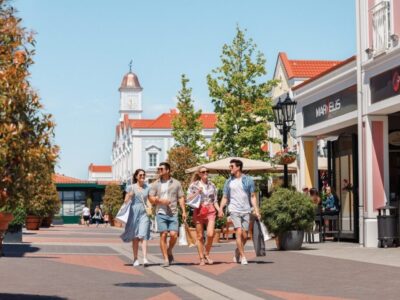
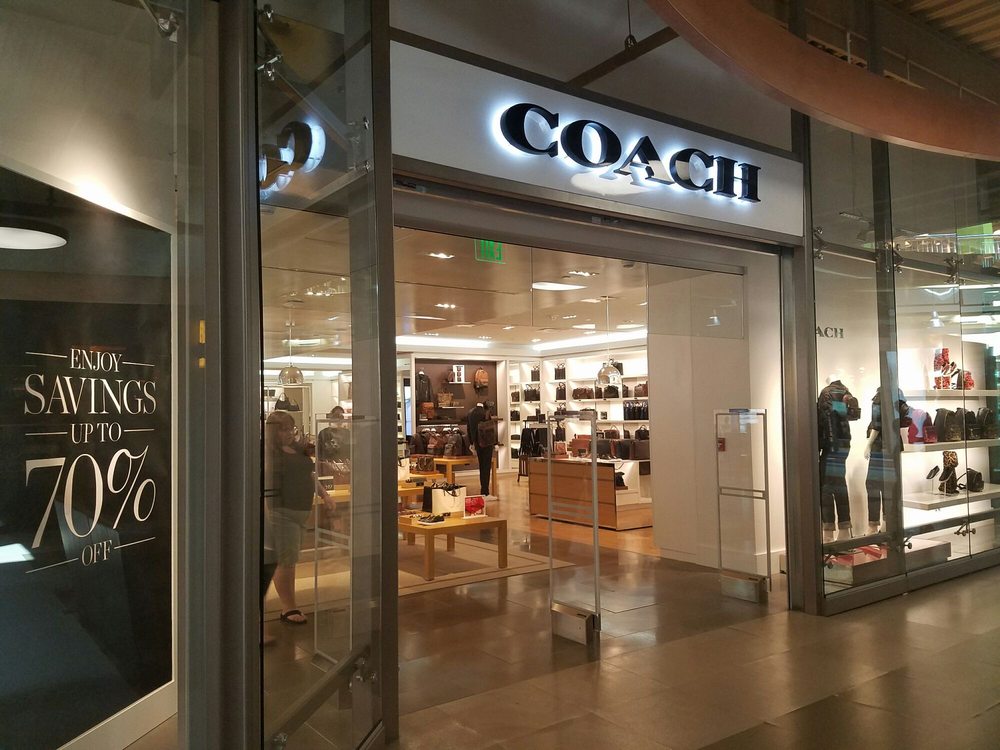
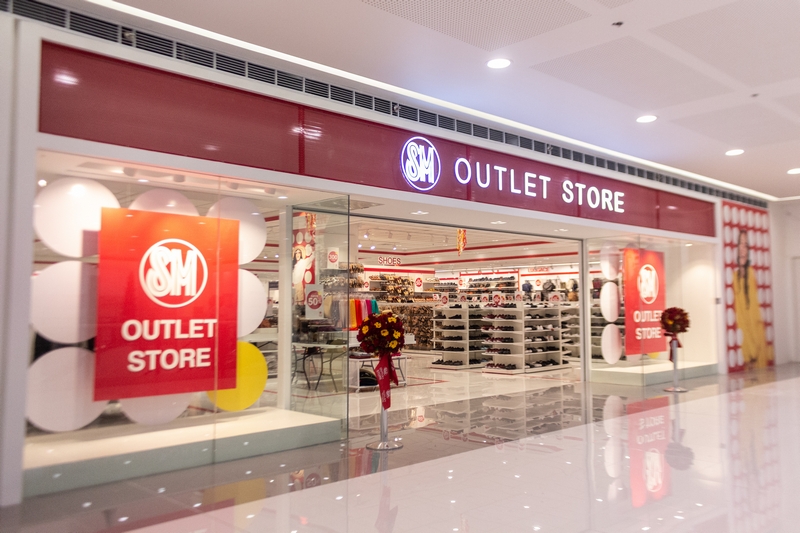
The retail landscape has undergone dramatic shifts over the last few decades, but outlet centers have consistently demonstrated remarkable resilience and commercial vitality. Originally established as quiet clearance channels designed to liquidate end-of-season overstock and minor factory seconds, modern outlet malls have evolved into premier shopping destinations. Today, outlet stores represent high-margin, strategic revenue drivers for global brands and major real estate developers alike.
At the core of this sustained commercial success lies a sophisticated web of brand partnerships. The prosperity of an outlet center relies not merely on offering discounted merchandise, but on the strategic alignment between real estate developers, flagship brands, complementary retailers, and digital marketing ecosystems. Cultivating robust, mutually beneficial brand partnerships is the foundational engine that drives foot traffic, protects brand equity, and secures long-term profitability in the outlet retail sector.
The Strategic Evolution of Outlet Retail
To understand the critical necessity of brand partnerships, one must first recognize how the perception and operation of outlet shopping have transformed. Modern consumers no longer view outlet stores simply as discount basements filled with leftover merchandise. Instead, they expect a curated, high-end shopping environment that delivers luxury, premium quality, and exceptional value simultaneously.
This modern consumer expectation creates a delicate operational balancing act for premium brands. Companies must offer attractive price points without diluting their prestige or cannibalizing sales at full-price flagship boutiques. Brand partnerships solve this equation by establishing structured, controlled retail channels. Real estate developers curate a tenant mix that enhances the overall reputation of the outlet property, while brands collaborate to create destination-style shopping centers that draw consumers from broad geographic radiuses.
Core Types of Partnerships Driving Outlet Growth
Outlet store success depends on several interconnected categories of strategic partnerships, each serving a distinct operational purpose within the retail ecosystem.
Developer and Anchor Brand Synergies
The relationship between real estate developers and major anchor brands forms the physical and financial foundation of any outlet center. Developers rely on world-renowned fashion, footwear, and lifestyle brands to anchor property developments, while brands rely on top-tier developers to secure high-visibility, well-managed locations.
-
Co-Investment in Experiential Spaces: Developers and anchor brands increasingly partner to invest in architectural upgrades, outdoor lounges, high-end dining, and interactive storefront displays that elevate the physical shopping experience.
-
Flexible Lease Structures: Collaborative leasing agreements, often incorporating sales-percentage thresholds alongside base rent, align the financial incentives of both landlord and tenant toward driving total sales volume.
Cross-Retailer Partnerships and Tenant Mix Curation
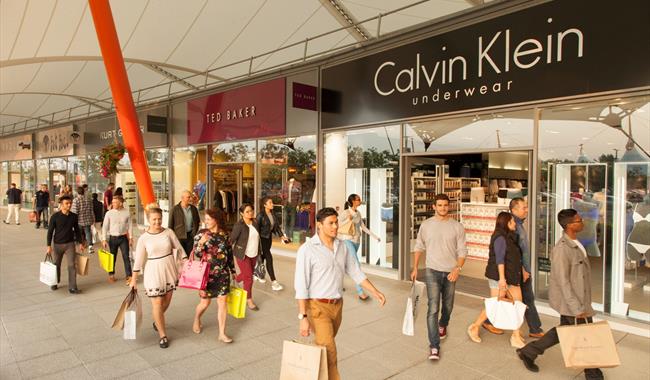
An isolated brand store rarely succeeds in an outlet environment on its own. Outlet shopping is inherently a day-trip, destination-driven activity. Consumers travel significant distances with the expectation of visiting multiple high-value stores in a single journey.
-
Complementary Tenant Clustering: Developers strategically position complementary brands side-by-side—such as pairing luxury athletic apparel stores with high-end footwear and nutrition outlets—to foster cross-shopping opportunities.
-
Joint Promotional Campaigns: Neighboring retailers collaborate on multi-store coupon books, seasonal sidewalk sales, and cross-brand rewards programs, encouraging shoppers to spend more across the entire center.
Made-for-Outlet Manufacturing Alliances
One of the most significant operational shifts in modern outlet retail is the transition from passive liquidations to dedicated made-for-outlet product lines. To maintain constant inventory levels across hundreds of outlet stores, major brands partner with specialized manufacturers and supply chain networks.
-
Targeted Value Engineering: Brand partnerships with trusted garment and product manufacturers allow companies to produce exclusive lines using cost-effective fabrics or simplified detailing while preserving brand aesthetics and quality standards.
-
Exclusive Product Offerings: Manufacturing partnerships enable stores to stock unique styles designed exclusively for the outlet channel, creating a sense of discovery that cannot be replicated at traditional department stores or online.
Protecting Brand Equity Through Controlled Partnerships
A central challenge in discount retail is avoiding brand dilution. If a luxury brand discounts its products recklessly, it risks undermining its premium status in the eyes of consumers. Strategic partnerships provide the framework necessary to protect brand value while capturing off-price market share.
Geographically Segregated Retail Networks
Real estate partners assist brands in maintaining strict geographic boundaries between full-price flagship stores and outlet locations. By placing outlet centers at strategic distances from primary metropolitan shopping districts, brands prevent direct cannibalization while capturing price-sensitive suburban and tourist markets.
Shared Marketing and Narrative Alignment
Partnerships between outlet management groups and participating brands ensure that promotional messaging emphasizes value, smart shopping, and luxury accessibility rather than cheapness. Co-branded marketing campaigns celebrate the thrill of the hunt and premium craftsmanship, keeping the brand’s prestigious reputation intact.
Digital and Omnichannel Brand Collaborations
In the modern digital economy, physical outlet stores cannot operate in isolation from digital commerce. Successful outlet operators leverage technology partnerships to integrate physical stores into broader omnichannel networks.
-
Location-Based Mobile Marketing: Outlet centers partner with digital marketing platforms and mobile app developers to send real-time, location-based promotional notifications to shoppers as they walk past specific brand storefronts.
-
Buy-Online-Pick-Up-In-Store (BOPIS) Systems: Retailers align their e-commerce infrastructure with physical outlet locations, allowing customers to purchase discounted end-of-season inventory online and collect their orders at a nearby outlet center.
-
Loyalty Program Integration: Multi-brand outlet developers create centralized app-based loyalty rewards programs. Shoppers earn points across every store in the outlet property, driving higher total basket sizes and providing valuable consumer analytics to tenant brands.
The Economic Benefits of High-Density Brand Ecosystems
When brands assemble within a well-managed outlet partnership structure, powerful network effects emerge that benefit every participating merchant.
-
Massive Foot Traffic Generation: High concentrations of desirable brands convert an outlet center into a regional tourist attraction, drawing shoppers who are willing to travel an hour or more specifically to shop.
-
Shared Infrastructure Costs: Tenant partnerships allow individual stores to share overhead costs related to security, facility maintenance, parking infrastructure, regional marketing, and seasonal event hosting.
-
Higher Conversion Rates: Consumers visiting outlet centers enter the property with clear purchasing intent. The synergistic density of top-tier brands transforms casual window shoppers into high-volume buyers.
Frequently Asked Questions
What is the main difference between a traditional shopping mall and an outlet center?
Traditional shopping malls typically feature full-price retail stores, department store anchors, and current-season inventory focused on high margins. Outlet centers feature manufacturer-owned stores offering discounted merchandise, past-season overstock, or exclusive made-for-outlet lines, operating on high volume and value-driven pricing models.
Why do luxury brands open outlet stores if it risks brand dilution?
Luxury brands open outlet stores to capture price-sensitive consumers, clear excess inventory efficiently, and generate substantial cash flow. By establishing outlet stores in geographically segregated locations with controlled pricing structures, brands can expand their customer base without damaging the exclusivity of their primary flagship stores.
How do developers choose which brands to include in an outlet center?
Developers evaluate brand strength, target demographic overlap, cross-shopping potential, and financial viability. They curate a balanced tenant mix that includes recognizable global anchor brands, complementary apparel lines, footwear retailers, home goods stores, and food options to create a comprehensive destination.
Are all products sold in outlet stores leftover or defective merchandise?
No. While early outlet stores focused primarily on clearing overstock and factory seconds, the vast majority of modern outlet inventory consists of first-quality items. Many major brands manufacture dedicated product lines specifically designed for their outlet stores to maintain consistent stock levels year-round.
How do multi-brand loyalty programs work in outlet centers?
Outlet management groups often operate centralized digital loyalty programs that encompass all participating tenant stores. Shoppers scan receipts or app barcodes to earn points on purchases across different brands, unlocking rewards, VIP coupon books, exclusive event invitations, and parking perks.
How do online sales impact the physical outlet store model?
Rather than replacing physical outlets, online platforms complement them. Brands use digital channels to direct traffic to physical stores through click-and-collect programs, mobile app promotions, and location-based offers, while physical outlets serve as vital fulfillment hubs for moving excess inventory.
What role do food and entertainment choices play in outlet store success?
Food courts, sit-down restaurants, and entertainment options increase dwell time—the total amount of time a consumer stays at the outlet center. The longer a shopper remains on property comfortably, the more stores they visit, significantly raising total overall retail spend per visitor.