
 By
An Essential Shopping Checklist for First-Time Dog Owners
Bringing home a dog is exciting, and it is easy to buy more than the household needs. Shops offer specialised bowls, beds, toys, clothing and accessories for almost every situation. A shorter, practical checklist can help new owners prepare properly while leaving room to learn the individual dog’s preferences.
Start with the daily routine. Consider where the dog will sleep, eat, walk and spend time when the household is busy. Products should solve a real need in that routine rather than filling a cupboard before the dog arrives.
Food rewards and chews can be explored through established pet suppliers such as WAG, but new owners should introduce unfamiliar products gradually. Begin with a modest amount, observe how the dog eats and check that the ingredients suit any dietary guidance already provided.
Food and Water Supplies
Ask what the dog currently eats before making changes. A sudden switch can cause digestive discomfort, especially during the stress of moving into a new home.
Purchase enough familiar food for the transition period. If a change is needed, discuss an appropriate gradual process with a vet or follow professional guidance.
Choose sturdy bowls that are easy to clean. Place water in an accessible area and check it regularly. A second water bowl can be useful in a larger or multi-level home.
A Secure Collar and Identification
A properly fitted collar provides a place for identification and can support everyday handling. It should be secure without being uncomfortably tight.
Check the fit frequently, particularly for puppies and dogs gaining or losing weight. Replace damaged fasteners, worn stitching and tags that have become difficult to read.
Make sure contact information is current. Identification is useful even when a dog is microchipped because it allows someone to contact the owner quickly.
Harness, Lead and Walking Equipment
Choose walking equipment according to the dog’s size and body shape. A harness should allow comfortable movement without rubbing behind the legs or slipping over the head.
The lead should feel secure in your hand and be suitable for the places you expect to walk. A standard fixed-length lead is often easier for everyday control than a very long or retractable option.
Waste bags, a treat pouch and a portable water container may also be useful. Avoid carrying so much equipment that an ordinary walk becomes inconvenient.
A Comfortable Bed
The first bed does not need to be expensive. It needs to be large enough for the dog’s preferred sleeping position and placed in an appropriate location.
A washable cover makes cleaning easier. Puppies, older dogs and dogs adjusting to a new home may have accidents, so practical materials are helpful.
Some dogs prefer a flat mat, while others like raised sides. Start with a reasonable option and observe before purchasing several beds for different rooms.
Suitable Toys
Choose a small selection that supports different activities. A durable toy for interactive play, a soft toy for carrying and an appropriate food puzzle provide more variety than several nearly identical items.
Select toys according to size and chewing behaviour. Remove packaging, ribbons and loose components before use. Supervise the first few sessions.
Inspect toys regularly for damage. No toy should be assumed indestructible simply because it is marketed for dogs.
Grooming Essentials
A basic grooming kit may include a brush suitable for the coat, dog shampoo, towels and nail care equipment. The exact requirements depend on coat type and the dog’s tolerance for handling.
Ask a groomer or vet which brush is appropriate if you are unsure. The wrong tool can be uncomfortable and may fail to manage the coat effectively.
Introduce grooming in short sessions. Allow the dog to investigate the equipment and reward calm cooperation. Stop if you notice pain, skin irritation or unusual sensitivity.
Cleaning and Household Supplies
Accidents can occur during the adjustment period. An appropriate cleaning product, washable cloths and a supply of waste bags can make early management easier.
Secure household bins and store cleaning products out of reach. A baby gate may be useful for limiting access while the dog learns the layout.
Avoid buying multiple barriers before understanding where they are needed. The dog’s behaviour during the first week will help identify practical locations.
Travel and Safety Equipment
If the dog will travel by car, arrange a suitable restraint or carrier before collection day. Test the setup during a short journey and check that the dog can sit or lie comfortably.
Keep a towel, water bowl and spare lead in an accessible travel bag. A recent photograph and updated identification details are also helpful.
Owners planning longer trips can add equipment gradually. There is little reason to buy specialised camping or beach accessories until those outings are actually scheduled.
Training Supplies
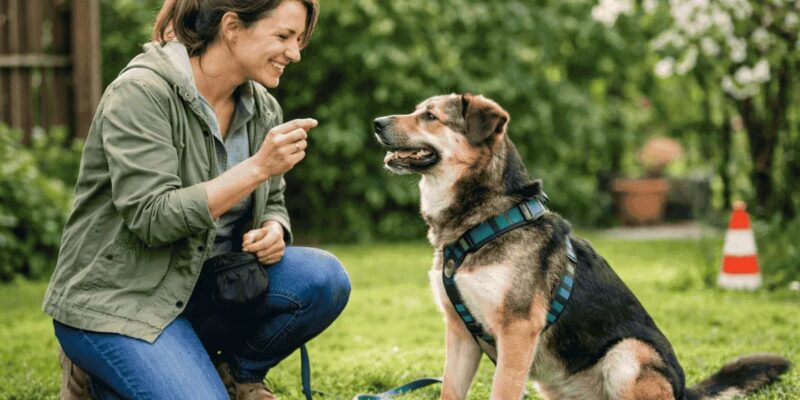
Training does not require a large collection of gadgets. Small rewards, a lead, a mat and a consistent marker word are enough for many early exercises.
A treat pouch can improve timing because rewards remain accessible. Choose one that closes securely and is easy to clean.
Training books or professional classes may be more valuable than novelty equipment. Look for approaches that use clear communication and appropriate rewards.
Items That Can Wait
Clothing, multiple beds, elaborate feeding stations and large toy collections can be purchased later if they serve a genuine purpose. Dogs vary, and early assumptions about their preferences may be wrong.
Buying gradually reduces waste. It also prevents the home from becoming crowded with products the dog ignores.
Spend the first few weeks observing how the dog sleeps, plays, eats and travels. Those observations will guide better purchases than a generic checklist alone.
Review Every Purchase for Safety
Check sizing information and product instructions before use. Remove an item if it causes rubbing, restricts movement or breaks into unsafe pieces.
Products also need ongoing inspection. Leads fray, collars loosen and toys wear down. Add a quick equipment check to the regular routine.
The most useful first-time shopping list covers food, water, identification, safe walking, rest, grooming and a small amount of enrichment. Everything else can be chosen once you know the dog better. Thoughtful purchases create a smoother start without filling the home with unnecessary items.