
 By
By Timeless Threads: How Fashion Shapes Identity and Culture
The Ever-Evolving Definition of Fashion
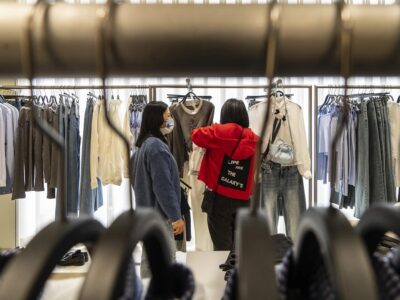
Fashion, at its core, is far more than fabric and fleeting trends. It is a language, a form of silent dialogue that transcends borders and decades. To many, it represents an expression of self, a curated glimpse into the soul of an era, or a bold statement of rebellion. Whether one is slipping into a vintage Chanel jacket or donning a thrifted denim pair, fashion remains a mirror reflecting our desires, struggles, and dreams.
A Historical Glance: From Utility to Art
Fashion did not always occupy runways or glossy magazine spreads. In ancient civilizations, clothing served primarily as protection from the elements and an identifier of status or occupation. Pharaohs, samurais, and medieval royalty draped themselves in fabrics that signaled wealth and authority.
The Renaissance introduced a more ornamental perspective; intricate embroidery, lace, and rich textiles demonstrated the power of the aristocracy. Fast forward to the 20th century, and we find a fascinating democratization of style. Once the privilege of the elite, fashion began trickling down to the masses through industrialization and the rise of ready-to-wear collections.
Designers like Coco Chanel and Yves Saint Laurent liberated wardrobes with practical yet elegant silhouettes, championing freedom of movement and understated luxury. Fashion’s transformation from a mere necessity to a form of art and activism has been nothing short of remarkable.
Fashion as Personal Identity
To wear clothes is inevitable, but to wear them with intention is transformative. Our wardrobes often serve as daily mood boards. Consider the confident stride of a woman in a sharply tailored suit, or the relaxed ease of someone in worn-in jeans and a cotton tee. Each garment tells a story.
Why do we dress the way we do?
-
Self-expression: Clothes allow us to project who we are—or who we wish to be.
-
Belonging: Subcultures, from punk to goth to streetwear, build communities through distinct aesthetics.
-
Rebellion: Fashion has long been a tool for challenging societal norms—think of the flappers of the 1920s or the unisex styles of the 1960s.
-
Protection: Sometimes, clothing is our armor, shielding us from unwanted attention or helping us blend in.
Fashion’s power to communicate identity is why so many guard their personal style fiercely. It is the canvas on which individuality and collective culture meet.
The Global Impact of Fashion
Fashion is not confined to closets. It is a colossal industry driving economies, influencing geopolitics, and shaping environmental debates. According to recent studies, the global fashion market is valued at over $1.7 trillion, employing millions worldwide. Yet, beneath the glamour lies a complicated reality.
Key aspects of fashion’s global footprint include:
-
Economic driver: From haute couture houses in Paris to textile mills in Bangladesh, fashion sustains livelihoods across continents.
-
Cultural exchange: Globalization has blurred aesthetic boundaries. A kimono-inspired dress or African Ankara prints on a New York runway testify to fashion’s ability to bridge cultures.
-
Environmental concerns: The fast-fashion model, built on mass production and rapid turnover, has come under scrutiny for its environmental toll—water pollution, textile waste, and carbon emissions.
As awareness grows, the industry is responding with sustainability pledges, circular fashion initiatives, and a renewed focus on ethical sourcing.
Technology: Fashion’s New Frontier
One cannot speak of modern fashion without acknowledging the seismic shifts technology has brought. Digital design, virtual fittings, and AI-powered trend forecasting are redefining how clothes are created and consumed.
Social media platforms have also democratized fashion critique. Influencers, once ordinary consumers, now wield power rivaling that of seasoned editors. A single Instagram post can catapult an obscure brand into the global spotlight overnight.
Notable technological trends include:
-
3D printing: Designers experiment with innovative materials and custom shapes.
-
Augmented reality (AR): Virtual fitting rooms reduce returns and enhance shopping experiences.
-
Blockchain: Increasingly, brands use blockchain to guarantee authenticity and transparency in supply chains.
As technology continues to intersect with fashion, one thing is clear: the possibilities are limitless.
The Future of Fashion: Conscious and Inclusive
While style remains cyclical, our collective approach to fashion is slowly evolving into something more mindful. Consumers are questioning the true cost of a $10 T-shirt. Secondhand and rental markets are booming, driven by Gen Z’s preference for sustainability and individuality.
Moreover, inclusivity is no longer an afterthought but a demand. From adaptive clothing lines for people with disabilities to size-inclusive collections that celebrate diverse bodies, fashion is making strides toward representing the world it dresses.
Final Thoughts: Dressing for Tomorrow
Fashion is both deeply personal and profoundly communal. It has the power to empower and oppress, to inspire and disrupt. As we stand at the crossroads of tradition and innovation, one thing remains certain: fashion will continue to evolve alongside us, shaping—and shaped by—the societies we build.
So, whether you step out in vintage couture, streetwear, or something uniquely your own, know that each thread you choose to wear contributes to a narrative far greater than mere fabric. It is the story of who we are—and who we might yet become.