
 By
By Bargains and Beyond: The Enduring Allure and Evolving Reality of the Outlet Store
Introduction: Where Value Meets Discovery
For countless shoppers around the world, few retail experiences deliver quite the same thrill as stepping into an outlet store. Nestled on the outskirts of cities, scattered along highways, or clustered in sprawling outlet malls, these hubs of discounted designer goods and brand-name essentials have become destinations in their own right—a blend of savvy shopping and weekend leisure.
What began as modest factory stores selling overstock and imperfect pieces has grown into a massive industry, reshaping how people think about luxury, value, and the hunt for a bargain. Today’s outlet store is far more than a bargain bin—it’s a curated retail environment where brand image, accessibility, and the desire for a deal converge in fascinating ways.
Origins of the Outlet: Humble Beginnings to Global Phenomenon
The concept of the outlet store can be traced back to the mid-20th century when manufacturers would sell excess inventory and factory seconds directly to their employees at reduced prices. Gradually, these sales expanded to the public, often operating out of unassuming backrooms attached to production sites.
By the 1980s, outlet shopping had begun its transformation into a mainstream retail phenomenon. Brands recognized that these stores could offload unsold goods while expanding their reach to cost-conscious consumers. Purpose-built outlet centers emerged, often located outside urban hubs to keep them distinct from full-price retailers and preserve brand prestige.
Today, outlet shopping villages have become retail destinations, attracting tourists who travel miles for the promise of high-end labels at a fraction of the original cost.
The Modern Outlet Store: Carefully Crafted Value
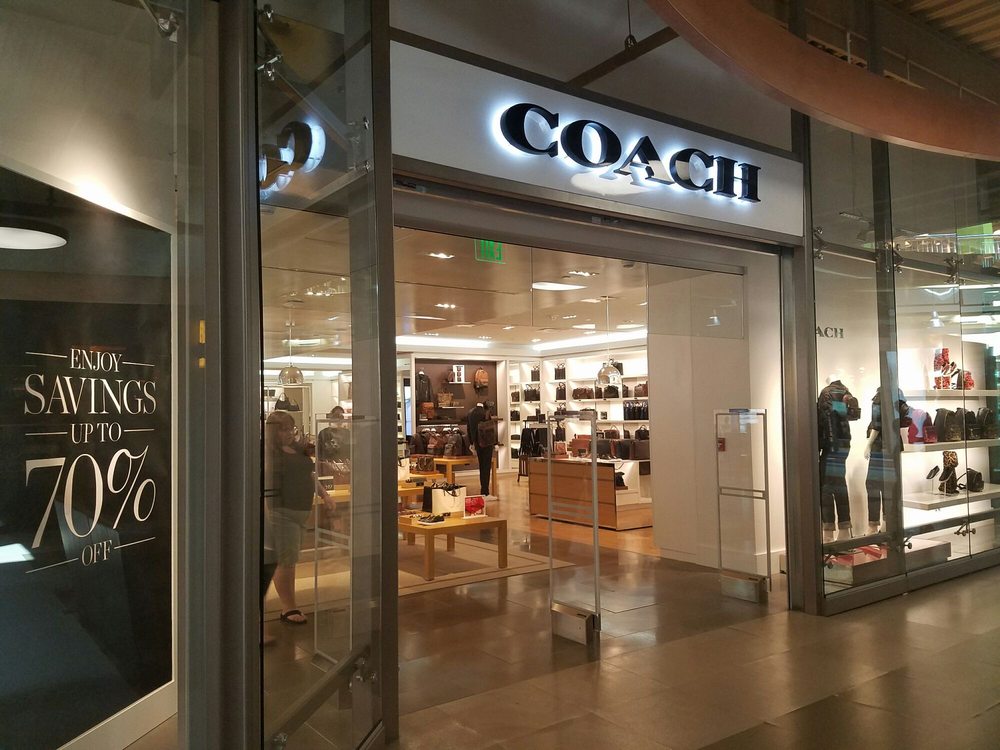
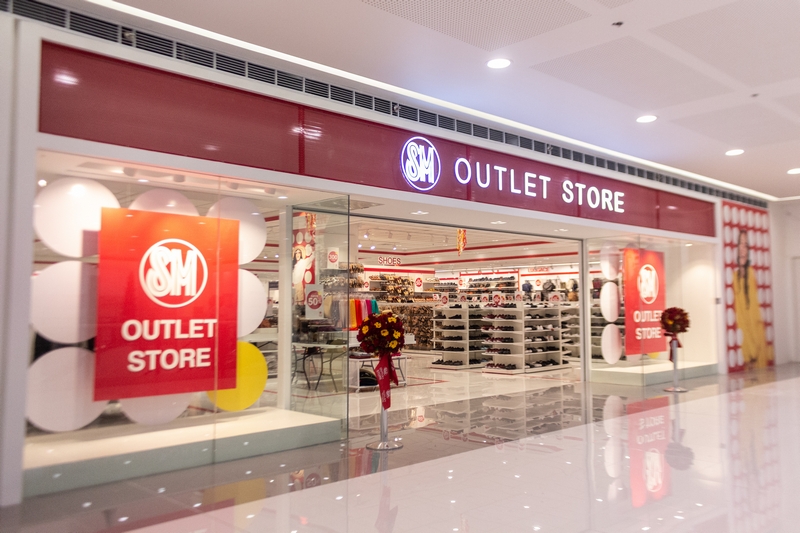
Contrary to the lingering myth, today’s outlet stores rarely resemble dusty warehouses brimming with leftovers. Instead, many are stylishly designed, well-lit spaces that offer a surprisingly polished shopping experience.
What Shoppers Find in an Outlet Store:
-
Past Season Stock: Excess inventory from previous collections, still high in quality but no longer current in mainstream stores.
-
Overruns and Cancelled Orders: Items produced in surplus or abandoned by retailers, now given a second chance at sale.
-
Factory Exclusives: Many brands now produce entire lines specifically for outlet stores, designed to hit a lower price point without compromising the brand image.
-
Irregulars and Slight Seconds: Minor defects or color variations that make pieces unsellable at flagship stores but perfectly acceptable to most shoppers.
The Allure of the Outlet: More Than Just Savings
For many, the attraction of the outlet store lies not merely in the discounts but in the experience itself. Outlet shopping feels like a treasure hunt—each rack and shelf brimming with the possibility of an unexpected find. There’s a subtle thrill in scoring a designer jacket or luxury handbag for half its original retail price.
Reasons Shoppers Love Outlet Stores:
-
Perceived Value: Luxury feels more attainable when high-end labels come with lower price tags.
-
Guilt-Free Indulgence: Outlet shopping makes splurging feel responsible, thanks to significant markdowns.
-
Family-Friendly Destinations: Modern outlet centers often include restaurants, playgrounds, and entertainment, transforming a shopping trip into a full day out.
-
Access to Premium Brands: For consumers in regions without flagship boutiques, outlets offer an entry point into coveted brands.
Outlet Stores and the Brand Balancing Act
While outlets boost sales and brand reach, they also pose an intricate challenge for companies: maintaining brand prestige while appealing to bargain hunters. Luxury labels, in particular, must ensure that outlet products do not cheapen the perception of exclusivity associated with their main collections.
This delicate dance is why many brands produce “outlet-only” lines—similar in style but made with different materials or simplified designs. For shoppers, this means that while the logo is genuine, the item may differ subtly from its full-price counterpart.
Sustainability and the Outlet Model: A Complicated Question
On the surface, outlet stores seem like a sustainable solution—giving unsold or excess goods a chance to be purchased rather than wasted. This practice does, indeed, reduce landfill contributions and allows brands to maximize each product’s life cycle.
However, the rise of “made for outlet” production has raised concerns. Are outlet stores encouraging the very overproduction they were once designed to solve? Some critics argue that the industry must balance affordable access with mindful manufacturing to avoid creating a second-tier fast fashion cycle under the guise of discounts.
Tips for the Savvy Outlet Shopper
A visit to an outlet store can feel exhilarating, but smart shoppers know how to navigate the deals wisely.
How to Make the Most of an Outlet Visit:
-
Do Your Homework: Research the brands and typical prices beforehand to recognize genuine savings.
-
Inspect Carefully: For irregulars and factory seconds, check for defects or quality inconsistencies.
-
Know the Lines: Understand that some items are made exclusively for outlets and may not mirror flagship store quality.
-
Shop Off-Peak: Weekdays or early mornings help avoid crowds and ensure the best selection.
-
Stick to a Budget: It’s easy to get carried away—remember, a good deal is only good if you truly need the item.
The Outlet Mall as Destination
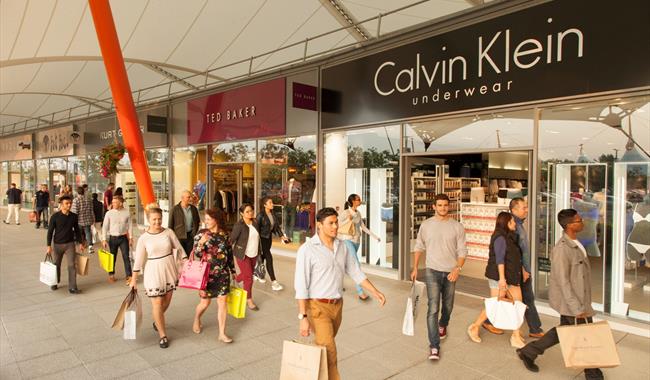
Beyond individual stores, entire outlet malls have evolved into retail villages, complete with dining, entertainment, and even luxury services. Many travelers plan vacations around outlet shopping sprees, drawn by the promise of premium labels at deeply discounted prices. This has turned outlet tourism into a lucrative industry in its own right.
Looking Ahead: The Future of the Outlet Experience
As e-commerce reshapes traditional shopping, outlet stores face both competition and opportunity. Many have expanded online, offering “digital outlets” with exclusive deals. Hybrid models blend physical browsing with online ordering and in-store pickup, ensuring outlets stay relevant in a digital age.
At the same time, consumers are becoming more conscious of sustainability, pressuring brands to ensure that outlet offerings align with ethical and environmental values. Some forward-thinking outlets have embraced secondhand sections or upcycled collections, hinting at what the next generation of bargain shopping could look like.
Conclusion: Where Thrift Meets Thrill
The outlet store stands as proof that retail need not be a binary choice between full price and discount, luxury and access. It is a testament to the enduring human love of a good deal—a place where shoppers can indulge their taste for quality and brand prestige without breaking the bank.
While the outlet industry continues to evolve, its spirit remains the same: a treasure hunt that marries practicality with pleasure, blending the smart satisfaction of saving with the joy of discovering something special. And as long as there are wardrobes to refresh and budgets to mind, the humble outlet store will always have its place—just off the highway, waiting with open doors and hidden gems.