
 By
By Draped in Identity: The Enduring Significance and Subtle Craft of Clothing
Introduction: More Than Mere Fabric
Clothing, at first glance, appears to be the most practical of human necessities—a protective shield against the elements, a modesty cloak, a social norm fulfilled. Yet beneath this utilitarian surface lies a rich, layered narrative that weaves together culture, identity, artistry, and silent rebellion. The garments we choose to wrap ourselves in speak louder than any spoken introduction. They whisper tales of heritage, personal taste, social belonging, and sometimes, bold defiance.
From the tailored suits of the city dweller to the vibrant saris that ripple through a village market, clothing is never just about covering skin. It is a silent yet eloquent language—one that continues to evolve with every generation.
The History of Clothing: Threads That Bind Civilizations
Humanity’s relationship with clothing is as old as civilization itself. Early humans donned animal hides for warmth and protection, eventually progressing to woven fabrics that reflected a community’s skill and resources. Ancient Egyptians wrapped themselves in linen, a testament to their mastery of flax cultivation, while Chinese silk garments signified both innovation and social hierarchy.
Throughout history, clothing has consistently mirrored society’s hierarchies, beliefs, and technological prowess. Sumptuary laws once dictated who could wear what, controlling everything from the color of robes to the extravagance of embroidery. In the Renaissance courts of Europe, elaborately embellished garments proclaimed nobility and wealth, while commoners’ plain attire spoke of their place in the social order.
Clothing as Identity: The Personal Uniform
In the modern era, the democratization of fashion has shifted clothing from rigid social signifier to powerful tool of personal branding. What one wears can reflect mood, profession, aspirations, or alignments with subcultures.
A sharply tailored blazer might convey ambition and precision, while a flowing linen dress suggests ease and a love for natural simplicity. The distressed denim jacket of a teenager might echo rebellion and non-conformity, a deliberate nod to the past eras of rock ‘n’ roll.
Unlike the more transient nature of trends, clothing as a personal uniform has remarkable staying power. Icons like Steve Jobs and Karl Lagerfeld mastered the art of the personal uniform, showing that consistent, intentional dressing can become a signature—instantly recognizable and subtly powerful.
The Artistry Behind the Seams
To the discerning eye, each garment is an orchestration of artistry and craftsmanship. From the choice of fabric and dye to the precision of stitching and finishing, clothing encapsulates the labor of designers, weavers, dyers, and tailors—often overlooked in an age of mass production.
Haute couture still holds space for this reverence. In the ateliers of Paris, artisans spend hundreds of hours hand-beading a single gown, preserving the romantic notion that clothing can indeed be wearable art. Meanwhile, the resurgence of bespoke tailoring and slow fashion movements reminds us that true luxury lies in the details we cannot always see but invariably feel when we wear them.
The Functional Elegance of Everyday Clothing
Despite its poetic layers, clothing remains rooted in function—this is where true elegance often resides. Some staples have survived centuries, unchanged in spirit if not in fabric.
Timeless Clothing Essentials:
-
The White Shirt: Crisp, adaptable, a blank canvas that suits boardrooms, casual cafes, and evening soirees alike.
-
Denim Jeans: From laborers’ workwear to the global symbol of rugged cool, denim’s versatility endures.
-
The Little Black Dress: Coco Chanel’s gift to the modern woman, embodying understated glamour and effortless adaptability.
-
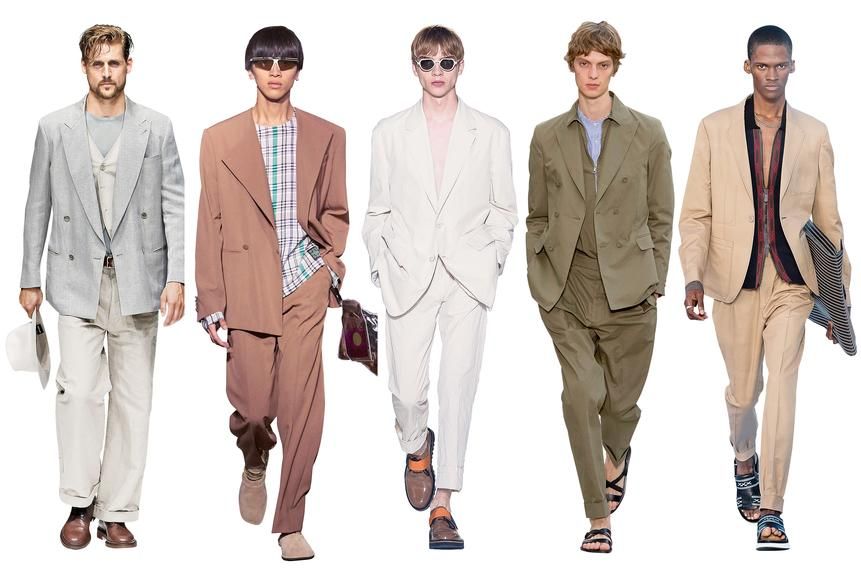
The Tailored Suit: A symbol of professionalism and authority for both men and women, evolving with each decade but never obsolete.
-
The Overcoat: Wool, trench, or cashmere—outerwear that defines silhouette and season with timeless grace.
The Environmental Cost: Rethinking Our Wardrobes
Amid fashion’s allure lies an inconvenient truth—the global clothing industry is one of the largest polluters on the planet. Fast fashion has birthed a culture of disposable garments, churning out cheap, trend-driven items at an unsustainable pace. Landfills brim with synthetic fabrics that linger for centuries.
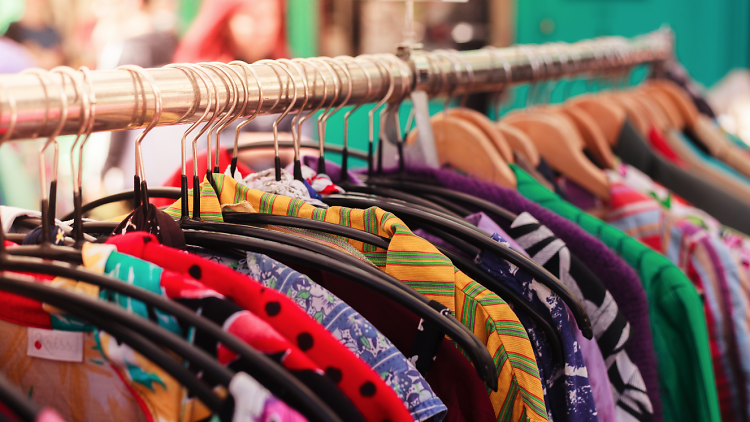
Fortunately, a wave of consciousness is beginning to shift this narrative. Consumers are rediscovering quality over quantity, favoring natural fabrics, ethical brands, and timeless pieces that endure. Vintage shopping, clothing swaps, and upcycling breathe new life into old garments, rekindling respect for the resource-heavy journey each item undertakes.
Cultural Significance: Preserving Heritage Through Dress
Clothing also serves as a keeper of tradition and cultural memory. Consider the kimono in Japan, the kente cloth of Ghana, or the Scottish kilt—these garments are more than regional attire; they are living testaments to ancestral identity, craftsmanship, and rituals passed down through generations.
In an increasingly globalized world, many designers now weave traditional motifs into contemporary designs, bridging past and present. This not only preserves craft but celebrates cultural diversity in a world that often drifts towards homogenization.
Styling Wisdom: Dressing With Intention
True style is rarely about chasing every new trend. It emerges from thoughtful choices, self-awareness, and a willingness to experiment without losing authenticity. Consider a few guiding principles:
-
Fit is King: No matter how expensive, ill-fitting clothing undermines confidence. A good tailor is a priceless ally.
-
Invest in Versatility: Pieces that transition seamlessly between occasions offer the greatest value.
-
Respect Seasons and Contexts: Linen suits a beach wedding; wool is a winter staple—dressing appropriately shows respect for time and place.
-
Curate, Don’t Accumulate: A well-edited wardrobe is more powerful than a closet bursting with forgettable items.
Conclusion: Clothing as a Reflection of Self
To dress well is not to dress extravagantly, but to dress thoughtfully. Clothing remains one of humanity’s most intimate expressions—a bridge between our inner world and the society we inhabit. It shelters us from nature’s whims, marks milestones, signals belonging, and grants us daily opportunities to express who we are, or who we wish to be.
In an age of instant trends and relentless consumption, perhaps the true art of clothing is not in wearing more, but in wearing with greater purpose. After all, fashion fades, but the way we drape ourselves in identity endures—threaded with memory, meaning, and quiet elegance.